
Forget Discipline. Try Devotion.

The Exhaustion Beneath Modern Life
There is a quiet grief many people carry without realizing it has a name.
It lives beneath the endless self-improvement routines.
Beneath the planners filled to the margins.
Beneath the obsession with productivity and optimization and becoming “better” versions of ourselves.
It is the grief of having learned to treat ourselves like machines instead of living things.
Somewhere along the way, many of us were taught that discipline was the highest virtue.
That growth must be forced.
That rest must be earned.
That softness is dangerous.
That slowing down is failure.
We learned to speak to ourselves in commands instead of compassion.
Push harder.
Wake earlier.
Do more.
Be stronger.
Ignore the ache.
Ignore the exhaustion.
Ignore the soul.
And because the world rewards visible output, we often become very skilled at overriding ourselves.
We keep going long after our spirits have become brittle.
The strange thing is that from the outside, it can even look successful.
The color-coded schedules.
The consistency.
The endless motion.
The appearance of having everything under control.
But internally, something begins to wither.
Because human beings were never meant to live entirely by force.
Nature Never Forces Herself
Nature reminds me of this constantly.
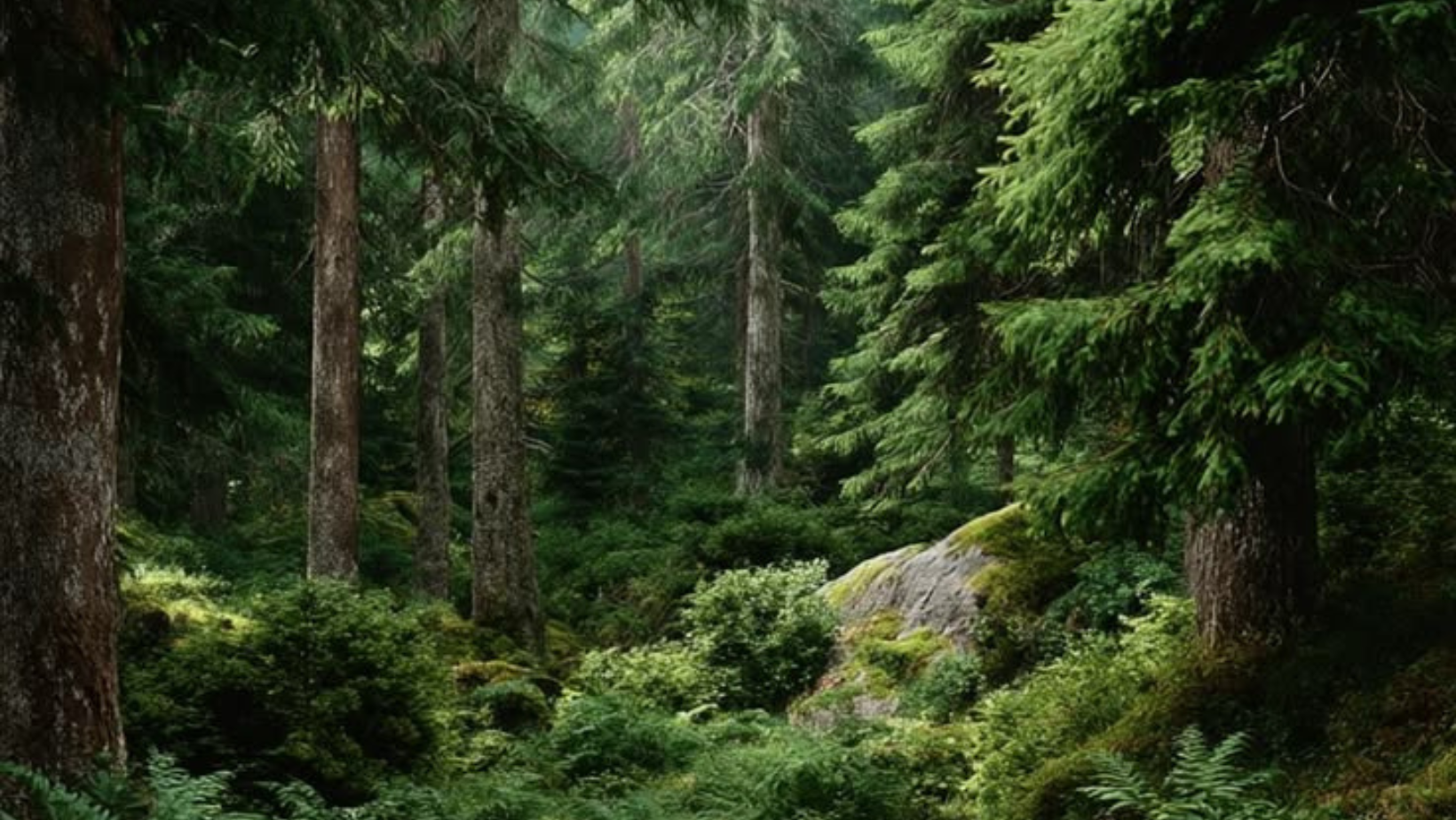
The forest does not discipline herself into spring.
She does not stand rigid against winter demanding that flowers bloom in frozen soil.
She trusts timing.
She trusts cycles.
She trusts that dormancy is not failure.
And yet modern life teaches us to fear every season that does not look productive.
We panic when we slow down.
We shame ourselves when we feel tired.
We try to “fix” every natural ebb in our energy as though we are broken for not being in perpetual bloom.
But nothing alive blooms forever.
Not the trees.
Not the tides.
Not the moon.
Not us.
The Difference Between Discipline and Devotion
I think this is why the idea of devotion has slowly become more meaningful to me than discipline.
Because discipline, at least in the way our culture often frames it, feels rooted in control.
Devotion feels rooted in relationship.
And those are profoundly different energies.
Discipline says: Master yourself.
Devotion says: Know yourself.
Discipline often asks us to suppress our humanity in pursuit of an outcome.
Devotion asks us to bring our humanity fully into what we love.
One clenches.
The other listens.
When I think about devotion, I do not think about rigid routines or punishing self-control.
I think about the old woman who tends the same garden every morning before the sun rises.
Not because anyone is measuring her productivity.
Not because she is trying to optimize her life.
But because she loves the living world enough to care for it.
I think about the way rivers carve stone.
Not through forceful urgency, but through faithful return.
I think about migrating birds crossing impossible distances guided by something ancient and instinctive within them.
They are not motivated by hustle.
They are responding to an inner rhythm older than language.
The Sacred Rhythm of the Natural World
The natural world is filled with devotion.
The tide returning to shore.
The moth circling the porch light.
The fox returning each dusk to the edge of the woods.
The sunflower turning her face toward the sun again and again.
None of it feels harsh.
None of it feels performative.
It feels relational.
Sacred.
Alive.
And maybe that is what so many of us are aching for.
Not more discipline.
But a more devoted way of living.
A way of moving through life that is not fueled by shame.
Not fueled by fear of failure.
Not fueled by the constant anxiety that we are somehow falling behind.
Because fear can absolutely motivate us.
For a while.
Fear can make us productive.
Fear can make us hyper-efficient.
Fear can make us ignore our own needs long enough to achieve things.
But fear is finite.
Eventually the body keeps score.
Eventually the spirit grows tired of being treated like a tool instead of a living ecosystem.
Eventually something within us begins longing for another way.
When Discipline Becomes Disconnection
I know this because I have lived it.
I have tried to force myself into systems that looked beautiful from the outside but left me internally disconnected.
I have tried to earn worthiness through constant output.
I have tried to become someone who could endlessly produce without pause.
And for a time, it worked.
Until it didn’t.
Until the exhaustion became deeper than physical tiredness.
Until creativity stopped flowing naturally.
Until even the things I loved began feeling heavy under the weight of obligation.
That is the danger of discipline without devotion.
Even beauty can become burdensome when approached only through pressure.
A writer begins fearing the page.
An artist begins resenting the canvas.
A mother forgets how to rest.
A healer becomes depleted.
A dream slowly transforms into another demand.
The Exhaustion Beneath Modern Life
There is a quiet grief many people carry without realizing it has a name.
It lives beneath the endless self-improvement routines. Beneath the planners filled to the margins. Beneath the obsession with productivity and optimization and becoming “better” versions of ourselves.
It is the grief of having learned to treat ourselves like machines instead of living things.
Somewhere along the way, many of us were taught that discipline was the highest virtue. That growth must be forced. That rest must be earned. That softness is dangerous. That slowing down is failure.
We learned to speak to ourselves in commands instead of compassion. Push harder. Wake earlier. Do more. Be stronger. Ignore the ache. Ignore the exhaustion. Ignore the soul. These messages arrive so quietly and so repeatedly that eventually they begin to sound like truth. We stop questioning them. We begin measuring our worth by how much we can carry without breaking, how efficiently we can move through our days, how well we can silence the parts of ourselves asking for tenderness.
And because the world rewards visible output, we often become very skilled at overriding ourselves.
We keep going long after our spirits have become brittle.
The strange thing is that from the outside, it can even look successful. The color-coded schedules. The consistency. The endless motion. The appearance of having everything under control.
But internally, something begins to wither.
Because human beings were never meant to live entirely by force.
Nature Never Forces Herself
Nature reminds me of this constantly.
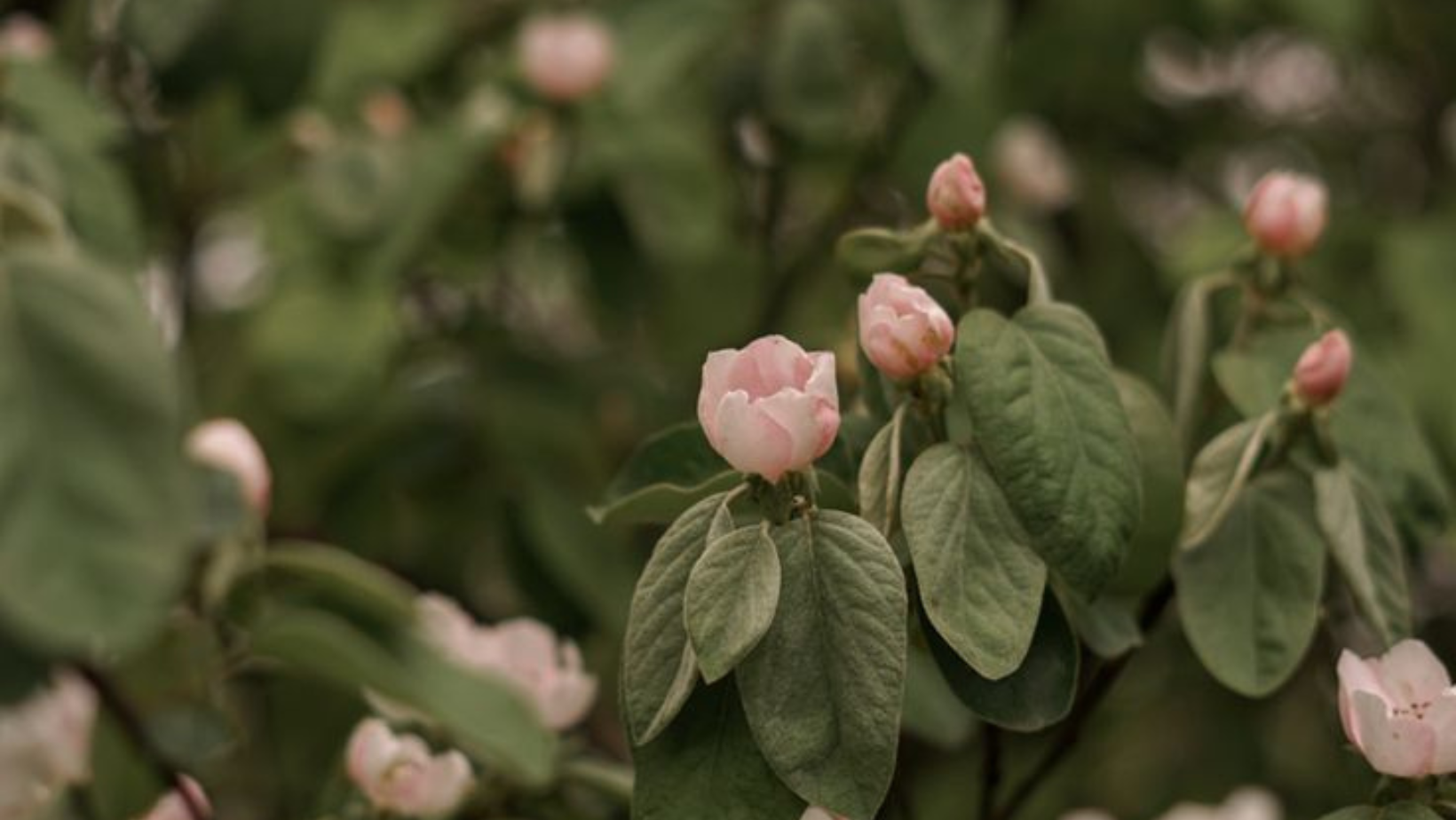
The forest does not discipline herself into spring. She does not stand rigid against winter demanding that flowers bloom in frozen soil. She trusts timing. She trusts cycles. She trusts that dormancy is not failure.
And yet modern life teaches us to fear every season that does not look productive.
We panic when we slow down. We shame ourselves when we feel tired. We try to “fix” every natural ebb in our energy as though we are broken for not being in perpetual bloom.
But nothing alive blooms forever. Even the ancient forests move through visible cycles of abundance and retreat. In autumn, the trees release what they can no longer sustain. In winter, the earth grows still beneath the frost. There is no shame in this slowing. No panic. No desperate attempt to remain in bloom at all costs. The natural world understands that restoration is not separate from growth — it is part of it.
Not the trees. Not the tides. Not the moon. Not us.
The Difference Between Discipline and Devotion
I think this is why the idea of devotion has slowly become more meaningful to me than discipline.
Because discipline, at least in the way our culture often frames it, feels rooted in control.
Devotion feels rooted in relationship.
And those are profoundly different energies.
Discipline says: Master yourself.
Devotion says: Know yourself.
Discipline often asks us to suppress our humanity in pursuit of an outcome. Devotion asks us to bring our humanity fully into what we love.
One clenches while the other listens. One treats the self as something to conquer. The other approaches the self as something living, changing, and worthy of care. I think this distinction matters deeply because the energy beneath our actions eventually shapes the quality of our lives. Two people can complete the exact same task, but one may arrive depleted while the other arrives nourished, simply because the spirit beneath the action was different.
The Sacred Rhythm of the Natural World
The natural world is filled with devotion. Once you begin paying attention to it, you see it everywhere. In the patient unfolding of fern fronds after rain. In the way migrating birds return to the same hidden marshlands each year. In the faithful rhythm of tides touching the shoreline over and over across centuries. None of it is hurried. None of it is performative. There is a steadiness to nature that feels ancient, as though the earth herself understands that what is truly sacred cannot be rushed.
The tide returning to shore. The moth circling the porch light. The fox returning each dusk to the edge of the woods. The sunflower turning her face toward the sun again and again.
None of it feels harsh. None of it feels performative.
It feels relational. Sacred. Alive.
And maybe that is what so many of us are aching for.
Not more discipline. But a more devoted way of living.
A way of moving through life that is not fueled by shame. Not fueled by fear of failure. Not fueled by the constant anxiety that we are somehow falling behind.
Because fear can absolutely motivate us. For a while.
Fear can make us productive. Fear can make us hyper-efficient. Fear can make us ignore our own needs long enough to achieve things.
But fear is finite.
Eventually the body keeps score. Eventually the spirit grows tired of being treated like a tool instead of a living ecosystem. That exhaustion is difficult to describe because it is more than physical tiredness. It is the feeling of becoming disconnected from your own inner life. Colors lose some of their brightness. Creativity feels strained instead of flowing. Even joy begins to feel scheduled and managed rather than naturally experienced. A person can appear highly functional while quietly feeling absent from their own existence. Eventually something within us begins longing for another way.
When Discipline Becomes Disconnection
I know this because I have lived it.
I have tried to force myself into systems that looked beautiful from the outside but left me internally disconnected. I have tried to earn worthiness through constant output. I have tried to become someone who could endlessly produce without pause.
And for a time, it worked.
Until it didn’t.
Until the exhaustion became deeper than physical tiredness. Until creativity stopped flowing naturally. Until even the things I loved began feeling heavy under the weight of obligation.
That is the danger of discipline without devotion.
Even beauty can become burdensome when approached only through pressure.
A writer begins fearing the page. An artist begins resenting the canvas. A mother forgets how to rest. A healer becomes depleted. A dream slowly transforms into another demand.
What Devotion Actually Feels Like
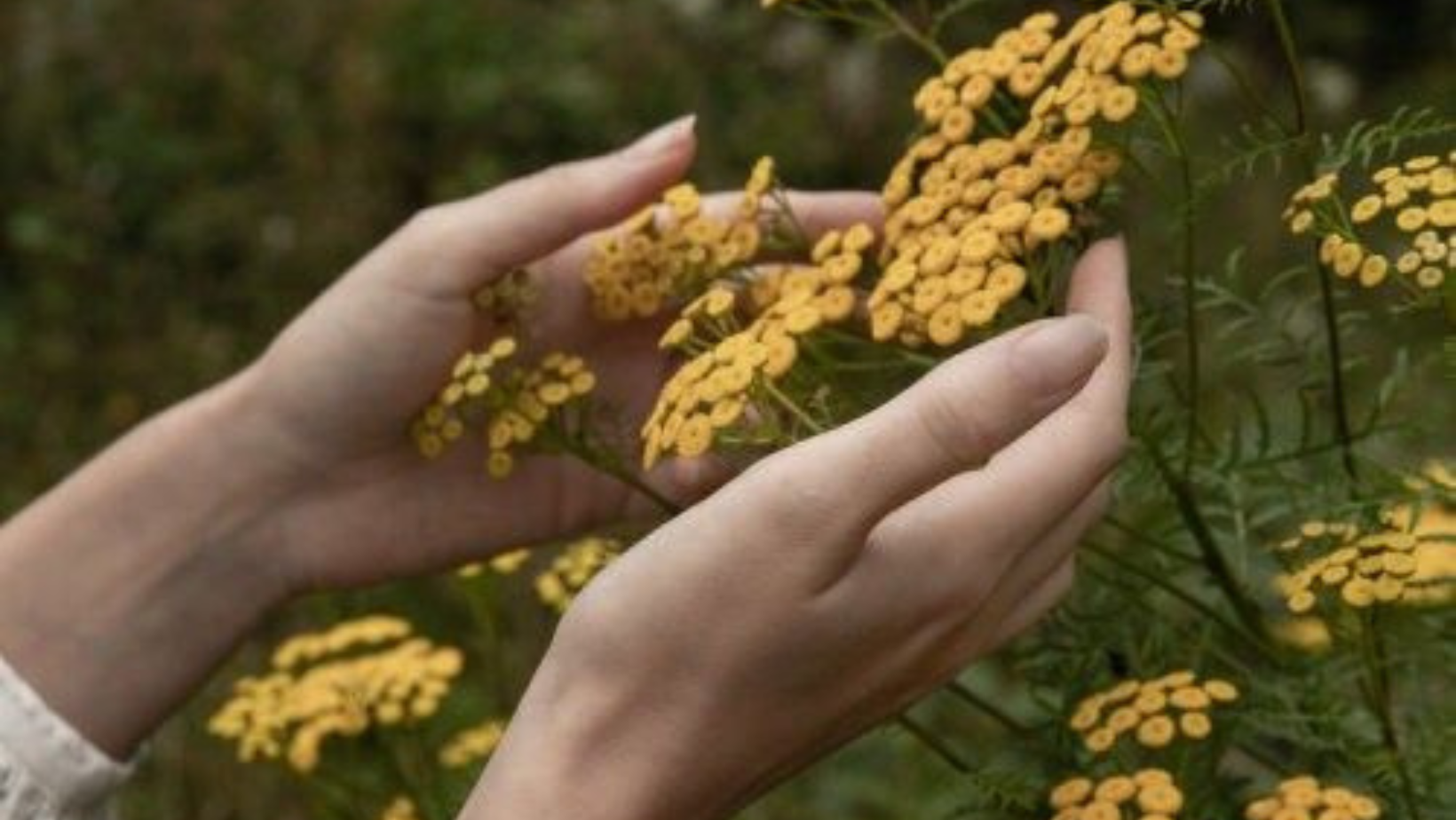
Devotion changes the energy entirely.
Because devotion asks: What is worthy of my care? What feels meaningful enough to return to? What do I love deeply enough to nurture even slowly?
That question alone softens something inside the body. It creates space where there was once pressure. Instead of forcing ourselves into rigid expectations, we begin listening more carefully to what genuinely matters to us. Devotion asks for presence rather than perfection. It invites us to participate in our lives instead of constantly trying to dominate them.
The energy shifts from force to reverence.
And reverence creates sustainability.
When we are devoted to something, we still show up. We still commit. We still remain faithful to what matters.
But we do so from relationship rather than punishment.
A devoted person understands that consistency does not require cruelty.
The gardener still tends the soil. The poet still returns to the page. The musician still practices. The healer still studies.
But there is spaciousness inside the effort. Breathing room. A sense of listening instead of domination.
Women, Cycles, and the Permission to Rest
This is especially important for women, I think.
So many women move through life carrying invisible expectations to endlessly give, endlessly produce, endlessly hold everything together.
To be disciplined. Composed. Useful.
Even our rest is often treated like another task to perfect.
But when I spend time in nature, I remember another rhythm entirely.
I remember that the earth herself is cyclical.
The moon disappears each month and still returns radiant. The trees shed what they cannot carry. The ocean withdraws before she rises again. The fields lie fallow before becoming fertile.
Nothing in nature apologizes for needing renewal. The ocean does not ask permission to retreat before returning again. The moon does not justify her darkness before becoming full. The fields are not ashamed when they lie fallow between harvests. Yet humans so often feel guilty for the very rhythms that make us alive. We apologize for needing rest, quiet, solitude, healing, slowness. We treat natural human needs as inconveniences rather than sacred signals from the body and soul.
And perhaps we should stop apologizing too.
There is a sacred difference between giving up and resting. Between inconsistency and cyclicality. Between laziness and restoration.
Nature understands this intuitively.
Only humans try to turn themselves into machines.
The older I get, the more I believe that a meaningful life is not built through self-punishment. It is built through devotion.
Devotion to beauty. Devotion to presence. Devotion to healing. Devotion to creating a life that actually feels alive to inhabit.
And devotion does not always look impressive from the outside.
Sometimes devotion is simply making tea slowly in the morning instead of rushing. Sometimes it is returning to your journal after months away. Sometimes it is taking a walk at dusk because your nervous system needs quiet. Sometimes it is choosing rest before resentment.
Sometimes devotion looks like protecting the small fragile flame within yourself instead of constantly feeding it to the world.
That kind of living is harder to measure. But it is often far more sustaining.
Living Like an Ecosystem
I think about old forests often. How beneath the visible world of trunks and moss and fern, entire networks of roots communicate underground. Trees sharing nutrients. Fungi carrying messages. A hidden system of mutual care beneath what appears wild and untamed.
Nature survives not merely through strength, but through relationship. Forests communicate underground through vast fungal networks. Rivers shape landscapes through persistence rather than aggression. Entire ecosystems depend on reciprocity, balance, and cycles of exchange. There is wisdom in that. Modern culture often glorifies independence and relentless self-sufficiency, but the natural world reminds us that thriving rarely happens in isolation.
Perhaps humans are no different.
Perhaps we are healthiest not when we dominate ourselves into submission, but when we learn how to live in relationship with ourselves.
To listen. To respond. To honor the changing seasons within us.
Some seasons are meant for expansion. Others for retreat. Some for blooming. Others for grieving. Some for becoming visible. Others for quietly rooting deeper beneath the surface.
Discipline often resists these cycles. Devotion honors them.
And I think honoring them is where real transformation begins.
Not the brittle transformation that comes from fear. But the lasting transformation that comes from care.
The kind that unfolds naturally over time. Like ivy climbing stone. Like rivers shaping earth. Like the slow turning of the constellations overhead.
A More Sacred Way to Live
There is a reason so many people feel spiritually exhausted right now.
We have built entire identities around productivity. Around proving. Around endless becoming.
But the soul does not thrive under constant performance.
The soul thrives where there is meaning. Connection. Beauty. Ritual. Rest. Wonder.
The soul thrives where devotion lives. It thrives in spaces where beauty is noticed slowly, where there is enough quiet to hear oneself think, where actions emerge from meaning rather than fear. This is why so many people feel restored after time in nature. The forest, the sea, the mountains — they return us to older rhythms. They remind us that life was never meant to be lived entirely in urgency.
And perhaps that is the invitation.
Not to abandon responsibility. Not to drift aimlessly through life. But to shift the energy beneath our actions.
To stop asking: How can I force myself to do more?
And begin asking: What kind of life feels sacred enough to tend carefully?
Because the truth is, almost everything beautiful requires devotion.
Love does. Friendship does. Healing does. Creativity does. The natural world certainly does.
And unlike fear, devotion has roots.
It can survive winter. It can survive exhaustion. It can survive periods of uncertainty because it is connected to something deeper than performance.
Discipline may help us achieve. But devotion helps us endure.
The forest knows this. The sea knows this. The moon has always known this.
Perhaps somewhere beneath the noise of modern life, we know it too.